Berberine for Weight Loss vs a Fiber Jelly: Mechanism, Side Effects and Fit
Quick Answer: Is Berberine or a Fiber Jelly Better?
Berberine for weight loss works inside your cells on blood sugar and metabolism through the AMPK pathway; a soluble-fiber jelly works in your stomach on meal-time fullness. Berberine can cause diarrhoea and interacts with medications, while fiber is gentler. They suit different problems and can be complementary under guidance.
- Berberine: metabolic and blood-sugar focus, more GI side effects, real drug-interaction risk.
- Fiber jelly: appetite and fullness focus, stim-free, mild bloating as the main downside.
- Together: potentially complementary, but separate the doses and ask a professional first.
Berberine is having a moment. Searches for berberine for weight loss now run past forty thousand a month and are still climbing, powered by social-media clips calling it "nature's Ozempic" — a comparison that is as inaccurate as it is catchy. Underneath the hype is a genuinely interesting compound with real metabolic effects and a real side-effect list. This article sets berberine next to a very different tool, a stim-free soluble-fiber jelly, so you can see where each one actually earns its place, who each suits, and how to combine them safely if you decide to.
Nothing here treats or cures any condition, and berberine is not a weight-loss drug. What follows is a mechanism-first comparison to help fiber-first, safety-minded buyers decide whether the trending option is the right one for them.
How berberine for weight loss works — and what "AMPK" actually means
Berberine is an alkaloid extracted from plants such as goldenseal and barberry, and it has been used in traditional medicine for centuries. The modern interest centres on one mechanism: berberine activates an enzyme called AMPK (AMP-activated protein kinase), often described as a cellular "energy sensor" (Yin et al., American Journal of Physiology — Endocrinology and Metabolism, 2008). When AMPK is switched on, cells behave as though energy is scarce — taking up more glucose, using fuel more efficiently and dialling down fat storage pathways. This is why the most consistent findings for berberine are in blood-sugar and metabolic markers: it can help lower fasting glucose and improve insulin sensitivity in people with metabolic issues.
The weight effect is downstream and modest. By improving how the body handles glucose, berberine may indirectly support weight management, and pooled trials do show small average reductions in body weight and waist measurement when it is added to diet and activity (Amini et al., Complementary Therapies in Medicine, 2020). But "small average" is the honest phrase. Berberine is a metabolic assist, not the appetite off-switch the viral clips imply, and the "nature's Ozempic" framing sets an expectation the evidence cannot meet.
How a fiber jelly works — a different lever entirely
A soluble-fiber jelly does not touch AMPK or your cellular metabolism at all. It works one step earlier, in the stomach, through simple physics. Soluble fiber absorbs water and forms a gel that takes up space and slows stomach emptying, which extends fullness after a meal and softens the blood-sugar rise that eating produces. Where berberine acts on how your cells process fuel, fiber acts on how much you feel like eating in the first place.
That difference in lever is the whole point of the comparison. If your struggle is hunger, cravings and portion size, the fullness lever is the more direct one. If your concern is blood-sugar control and metabolic markers, the AMPK lever is more on-target. The two are not competitors so much as tools for different jobs — a theme we return to when we weigh protein powder against a fiber jelly for fullness, another pairing where the honest answer is "it depends what you are trying to fix".
Want the gentle, fullness-first option?
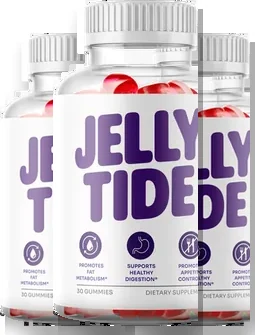
JellyTide is a stim-free, once-daily apple cider vinegar and BHB gummy with a fully published label — no AMPK gamble, no proprietary-blend fog. See the current offer and read the 525 mg blend yourself.
Check Today's OfferSide effects: the part the viral clips skip
This is where the two diverge most sharply, and it is the section that should carry the most weight in your decision.
Berberine's downsides are real. The most common are digestive — diarrhoea, cramping, constipation and general stomach upset — and they are dose-related, hitting hardest when people start high or take it on an empty stomach. More importantly, berberine has a genuine drug-interaction problem. It inhibits certain liver enzymes (the cytochrome P450 family) that metabolise a long list of common medications, which can raise the levels of those drugs in the blood. Anyone on prescription medicine — particularly for blood sugar, blood pressure, cholesterol or blood thinning — needs to clear berberine with a pharmacist before touching it. It is not a casual self-stack ingredient.
Fiber's downsides are minor by comparison. The worst most people experience from a soluble-fiber jelly is bloating or gas, and almost always because they ramped up too quickly rather than because anything went wrong. Fiber can slow the absorption of medication taken at the same moment, which is why spacing doses by a couple of hours is standard, but it carries nothing like berberine's enzyme-level interaction profile. On the safety axis alone, fiber is the gentler starting point.

Berberine vs fiber jelly, side by side
The table compares the two on the factors that decide fit, with honest columns on both evidence and risk.
| Factor | Berberine | Soluble-fiber jelly |
|---|---|---|
| Where it acts | Inside cells (AMPK pathway) | In the stomach (gel-forming fullness) |
| Strongest evidence for | Blood sugar and insulin sensitivity | Meal-time fullness and glucose smoothing |
| Weight effect | Modest, indirect, variable | Modest, via reduced hunger |
| Common side effects | Diarrhoea, cramps, constipation, upset stomach | Bloating or gas if ramped too fast |
| Drug interactions | Significant (P450 enzymes) | Minor (space doses from medication) |
| Stimulant? | No | No |
| Best suited to | Blood-sugar and metabolic focus | Hunger, cravings and portion control |
| Ease of daily use | Multiple doses, timing with meals | Simple, once daily in gummy form |
Who each one suits
Berberine may suit you if your main concern is metabolic — you are watching fasting glucose or insulin sensitivity, you tolerate a few weeks of possible digestive adjustment, you take no medications that interact, and you are comfortable dosing it two or three times a day with food. Under those conditions it is a reasonable, evidence-backed experiment.
A fiber jelly may suit you if your struggle is appetite rather than metabolism — snacking, portion creep, the gap between meals — and you want the gentlest possible side-effect profile, no stimulant, no enzyme interactions and a format you will not forget to take. For most people whose problem is simply eating more than they mean to, this is the more direct and more benign lever.
Berberine is a strong mechanism with a real side-effect bill; a fiber jelly is a gentle mechanism with a small one. Neither is "nature's" anything — both are modest tools that work only alongside the boring fundamentals.
Can you take them together? Yes, carefully
Because they pull different levers, berberine and soluble fiber can be complementary — one nudging blood sugar, the other curbing hunger — and some people do combine them. Two rules make that sensible rather than reckless. First, separate the doses. Gel-forming fiber can slow the absorption of anything taken with it, berberine included, so leave a couple of hours between them. Second, ask a professional first, especially given berberine's interaction profile; if you take any regular medication, this conversation is non-negotiable. Combining supplements is not automatically better, and stacking for its own sake is one of the habits we warn against in our wider look at building a routine that lasts.
The "nature's Ozempic" myth — and why it matters
The single line doing most of berberine's marketing is the claim that it is "nature's Ozempic". It is worth dismantling, because the comparison is not just exaggerated — it is the wrong category. The prescription GLP-1 medicines work by mimicking a gut hormone that powerfully slows stomach emptying and signals fullness to the brain, producing large, well-documented reductions in appetite and weight under medical supervision. Berberine does none of that. It works through AMPK on cellular glucose handling, and its effect on weight is indirect and, in the trials, small. Two different mechanisms, two entirely different magnitudes of result.
Why does the myth matter beyond pedantry? Because it sets an expectation the compound cannot meet, and mismatched expectations are how people get hurt. Someone expecting a GLP-1-sized result from a supplement is tempted to push the dose when the dramatic change does not arrive — and higher berberine doses are exactly where the diarrhoea, cramping and interaction risks climb. The honest framing protects you: berberine is a modest metabolic assist with a real side-effect bill, not a needle-free version of a prescription drug. Judge it on that, and it is a reasonable experiment for the right person; judge it against the viral promise, and it will always disappoint.
The same discipline applies to every gummy, capsule and powder in this space, including the one this site covers. No non-prescription product delivers a prescription-sized outcome, and any label implying otherwise is selling the expectation, not the biology.

Where JellyTide fits — the honest version
To be precise about the product this site covers: JellyTide is not berberine and does not contain it. It is a once-daily apple cider vinegar and BHB gummy, stimulant-free, whose jelly texture comes from apple pectin — a soluble fiber — with a declared 525 mg blend of apple cider vinegar and beta-hydroxybutyrate mineral salts. It is not a gram-scale fiber supplement and we will not dress the pectin up as a therapeutic fiber dose. What it offers the reader weighing the trending berberine option is the opposite end of the risk spectrum: no AMPK gamble, no enzyme-level drug interactions, no stimulant, and a fully published panel you can read before you buy. If that transparency is what you are after, our label-first breakdown of what JellyTide actually contains walks through the numbers, and if you are still shortlisting, our comparison of the best weight loss pills against a fiber jelly covers the stimulant side of the market.
Medical note: this article is general wellness information, not medical advice, and it summarises published evidence rather than making a product claim. JellyTide is a dietary supplement, not a drug, and is not intended to diagnose, treat, cure or prevent any disease. Berberine can interact with medication; speak to a healthcare professional before starting it or any supplement, especially if you are pregnant, nursing or taking medication.
Frequently asked questions
Is berberine or fiber better for weight loss?
Neither is clearly better; they do different jobs. Berberine works inside your cells on blood sugar and metabolism through the AMPK pathway, while soluble fiber works in your stomach on meal-time fullness. Berberine may suit people focused on blood-sugar control, and fiber suits those whose main struggle is hunger and portion size.
What are berberine's side effects?
The most common are digestive: diarrhoea, cramping, constipation and stomach upset, especially at higher doses or when started too fast. Berberine can also interact with a number of medications because it affects the same liver enzymes that process many drugs, so it is one to clear with a pharmacist rather than self-stack casually.
Can you take berberine with fiber?
For many people the two are complementary, since one works on blood sugar and the other on fullness, but timing and guidance matter. Gel-forming fiber can slow the absorption of anything taken with it, so it is sensible to separate the doses by a couple of hours and to check with a healthcare professional first, particularly if you take medication.
How much weight can berberine help you lose?
Trials show modest average reductions on top of diet and activity, typically small rather than dramatic, with wide variation between people. Berberine is best viewed as a metabolic assist rather than a weight-loss agent, and any product promising rapid, effortless results from it is overstating what the evidence supports.
Sources
- Amini MR, Sheikhhossein F, Naghshi S, et al. Effects of berberine and barberry on anthropometric measures: a systematic review and meta-analysis of randomized controlled trials. Complementary Therapies in Medicine. 2020 Mar. PMID 32147051
- Yin J, Gao Z, Liu D, et al. Berberine improves glucose metabolism through induction of glycolysis. American Journal of Physiology — Endocrinology and Metabolism. 2008 Jan. PMID 17971514
- NCCIH (NIH) — Dietary and Herbal Supplements
- NIH Office of Dietary Supplements — Dietary Supplements for Weight Loss
- Harvard T.H. Chan School of Public Health — Fiber
Prefer the gentler lever?
If a stim-free, once-daily gummy with a fully published panel and no drug-interaction worries fits your plan, see today's JellyTide offer — label first, copy second.
 Check Availability