Best Weight Loss Pills vs a Fiber Jelly: An Honest Side-by-Side
Quick Answer: Best Weight Loss Pills or a Fiber Jelly?
The best weight loss pills mostly rely on caffeine and stimulants for a modest edge, at the cost of jitters and lost sleep. A soluble-fiber jelly works mechanically on fullness with no stimulant, so the trade-off is gentler. Neither beats a calorie deficit; the sustainable choice wins over the dramatic one.
- Pills: stronger short-term push, more side effects, higher drop-off rate.
- Fiber jelly: stim-free, works on appetite, mild bloating is the worst common issue.
- Deciding factor: the option you will actually keep using every day, not the flashiest label.
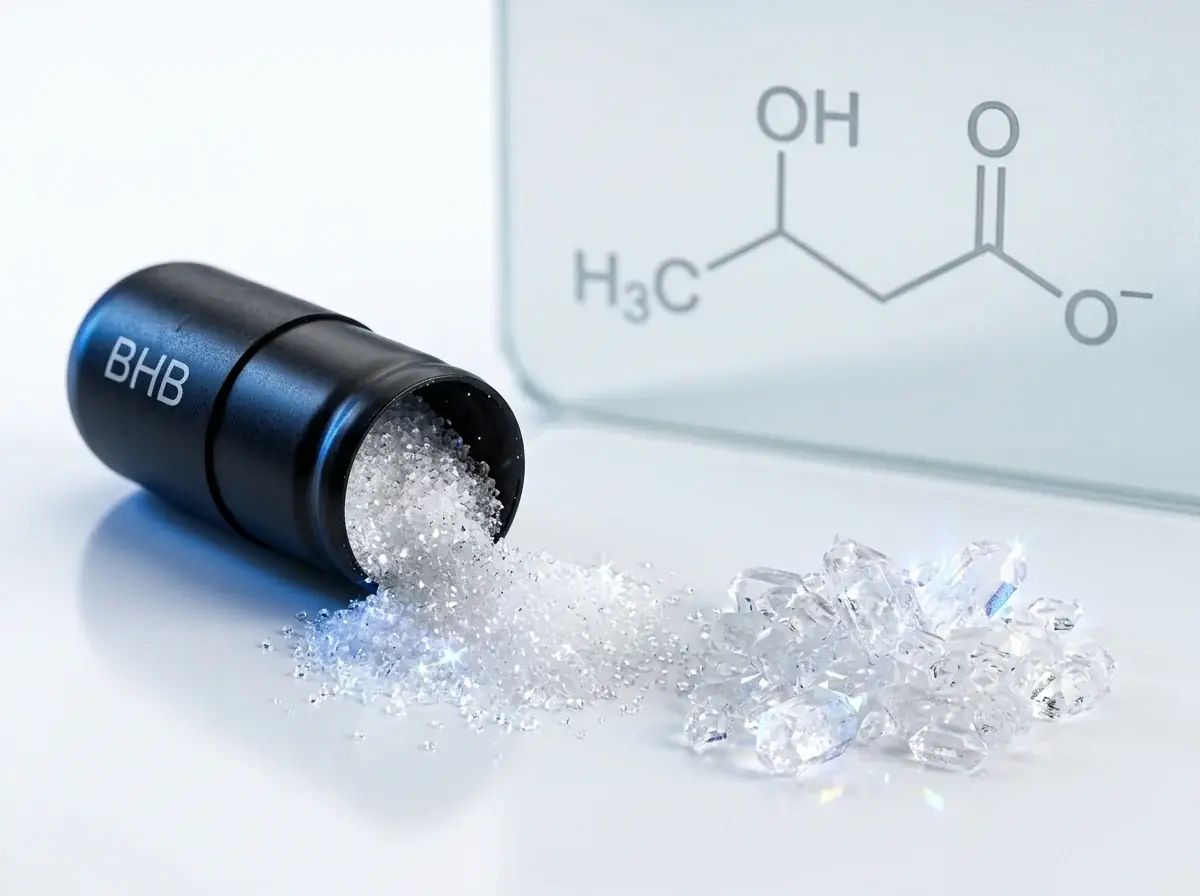
Around eighteen thousand people a month search for the best weight loss pills, and almost all of them are hoping for the same thing: a shortlist, a winner, a decision made for them. The uncomfortable truth is that there is no universal winner, and the products that dominate the "best" lists share a quieter secret — most of them are caffeine in a capsule. This article puts the popular pill claims next to a very different approach, a stim-free soluble-fiber jelly, and compares them where it actually counts: how they work, how they feel, and whether you will still be taking them in three months.
No cures are promised here and none are possible. What follows is a mechanism-by-mechanism, side-effect-by-side-effect comparison so you can pick the lowest-hassle route to supporting a plan you are already committed to.
What the "best weight loss pills" actually are
Strip the marketing from the top-selling pills and you find a surprisingly short ingredient story. The engine in the vast majority is caffeine, dressed up with green tea extract, green coffee bean, synephrine and an assortment of "thermogenic" botanicals. Stimulants do have a real, if small, effect: they can slightly dull appetite and modestly raise the number of calories you burn at rest (Hursel et al., Obesity Reviews, 2011). That is the entire basis of the buzz — and often the literal buzz you feel an hour after taking one.
The problem is that this mechanism is inseparable from its side effects. The same nervous-system push that curbs hunger also raises heart rate, spikes blood pressure, frays nerves and destroys sleep for a large share of users. And because tolerance builds, the appetite effect fades while the caffeine dependence does not. When people say a fat-burner "stopped working", this is usually what happened: the body adapted to the stimulant. It is a pattern worth understanding before you judge any product on its first week.
What a fiber jelly does instead
A soluble-fiber approach works on an entirely different principle, and one that owes nothing to your nervous system. Soluble fiber absorbs water and forms a gel in the stomach. That gel physically takes up space and slows the rate at which the stomach empties, which can extend the feeling of fullness after a meal and soften the blood-sugar rise that drives the next craving. There is no stimulant involved, so there is no racing heart, no jitters and nothing to keep you awake at 2am.
The honest limits matter as much as the mechanism. The appetite effect from fiber is modest, it works best taken before meals with plenty of water, and the main side effect is bloating or gas if you increase the amount too quickly. But "modest and gentle" is exactly the profile a sustainable habit needs. A push you can live with beats a jolt you abandon — a point we make in detail when we rank the best appetite suppressant options for weight loss and keep returning to fullness-based approaches for everyday use.
Want the gentle, stim-free route?
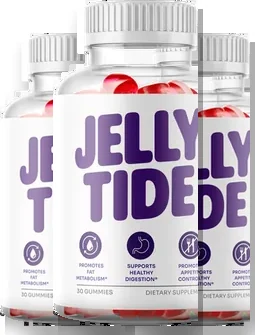
JellyTide is a once-daily apple cider vinegar and BHB gummy with no caffeine and a fully published label. See the current offer and read the 525 mg blend for yourself before deciding.
Check Today's OfferHead to head: pills vs a fiber jelly
The table lines up the two approaches on the factors that decide whether either suits you, with an honest column on side effects rather than an optimistic one.
| Factor | Typical "best" weight loss pills | Soluble-fiber jelly |
|---|---|---|
| Core mechanism | Stimulant push on appetite and metabolism | Gel-forming fullness in the stomach |
| Main active | Caffeine and thermogenic botanicals | Soluble fiber (e.g. apple pectin) |
| Speed of felt effect | Fast, within an hour | Gradual, over meals and weeks |
| Common side effects | Jitters, raised heart rate, insomnia, anxiety | Bloating or gas if ramped too fast |
| Sleep impact | Often disrupted | None from the mechanism |
| Tolerance over time | Effect fades as the body adapts | Stable; no stimulant to adapt to |
| Sustainability | High drop-off rate | Easier to keep up long term |
| Best suited to | Short bursts, stimulant-tolerant users | Daily use, sleep- and heart-conscious buyers |

Three objections, answered honestly
"But the pills clearly do more." In the first week, often yes — because caffeine is doing the work, and caffeine is powerful and fast. The question is not what happens in week one but what happens in month three, when tolerance has blunted the appetite effect and the side effects remain. A gentler mechanism that stays consistent frequently outperforms a strong one that fades and gets abandoned.
"Isn't fiber just a laxative in disguise?" No. That confuses soluble fiber with harsh stimulant laxatives, which are a different and riskier category we would steer anyone away from for weight control. Soluble fiber gels and works on fullness and blood-sugar smoothing; any bathroom effect is gentle regularity, not urgency. It is one of the most studied, most benign ingredients in the entire aisle.
"If it's so gentle, is it doing anything at all?" It is doing something modest and real — and modest is the honest ceiling for every non-prescription option, pills included. The difference is that fiber delivers its modest help without a stimulant tax. Anyone promising a dramatic, effortless result from any capsule or gummy is selling the promise, not the biology.
The best weight loss pill is not the strongest one. It is the one whose side effects you can live with for long enough to matter — and for a lot of people, that quietly rules out the stimulant shelf.
Getting the most from a fiber jelly (and any weight-loss supplement)
Whichever side of this comparison you land on, the supplement is the smallest lever in the room. These habits decide whether it does anything measurable at all.
Time it before meals, not after. A gel-forming fiber needs time to swell and take up space, so the studied window is shortly before eating, with a full glass of water. Taken after a meal, or with too little fluid, you get most of the downside and little of the fullness. This single detail separates people who feel an effect from people who conclude "it did nothing".
Start low and build. Most of the bloating blamed on fiber products is really the speed of the increase, not the ingredient. Begin at a fraction of the intended amount for the first week and let your gut adjust. The same restraint applies to any stimulant pill, for the opposite reason: you are gauging tolerance, not chasing a bigger buzz.
Give it a fair, boring trial. Appetite adaptation takes weeks, not hours. Pick a realistic window — four to eight weeks — keep the rest of your routine steady, and judge the supplement on that stretch rather than on day three. Anything advertising an overnight change in shape is describing water, not fat.
Pair it with the fundamentals. Protein at meals, a walkable step count and a modest calorie deficit do the heavy lifting; the supplement, at best, makes those slightly easier to stick to. If you are still deciding what belongs in your basket at all, our plain-English weight loss supplement buyer's guide lays out how to separate the useful few from the noisy many.
Read the label before the price. A published Supplement Facts panel, a stated amount of the active ingredient and no mystery "proprietary blend" total are the marks of a product that respects you. If a bottle hides its numbers, that is your answer before you have spent a cent.

Where JellyTide fits — stated plainly
It would be easy to overclaim here, so we will be precise. JellyTide is a once-daily apple cider vinegar and BHB gummy, and it is genuinely stimulant-free — there is no caffeine in it to disrupt your sleep or heart rate. Its jelly texture comes from apple pectin, a soluble fiber, and its declared 525 mg blend is apple cider vinegar with beta-hydroxybutyrate mineral salts. What it is not is a gram-scale fiber supplement, and we will not pretend the pectin is a therapeutic fiber dose. What it offers the reader of this comparison is the gentle end of the spectrum with none of the proprietary-blend fog: a fully published panel, a benign profile, and a format that is easy to keep taking. If that transparency is what draws you in, our label-first breakdown of what JellyTide contains lays out the arithmetic without the sales gloss, and our guide to where to buy JellyTide and what it costs covers the practical side.
Medical note: this article is general wellness information, not medical advice, and it summarises published evidence rather than making a product claim. JellyTide is a dietary supplement, not a drug, and is not intended to diagnose, treat, cure or prevent any disease. Speak to a healthcare professional before starting any supplement, especially if you are pregnant, nursing or taking medication.
Frequently asked questions
What are the best weight loss pills?
There is no single winner, because the best weight loss pills for one person are wrong for another. Most popular options lean on caffeine and stimulants for a modest edge, a few use fiber for fullness, and none outperform a calorie deficit. The best pick is the one whose mechanism and side effects fit your body and that you will keep taking.
Are weight loss pills worth it?
Only as a small assist to diet and activity, never as the main event. Trials show modest average effects and plenty of non-responders, so the honest answer is that a pill is worth it if it helps you stick to a plan without unpleasant side effects. If it costs you sleep or a steady heartbeat, it is not.
Pills vs fiber for weight loss?
Stimulant pills push energy expenditure and appetite through your nervous system, which brings jitters and sleep problems for many people. Soluble fiber works mechanically by gelling in the stomach to curb hunger, with bloating as the main downside. Fiber is the gentler, more sustainable route; pills are the more aggressive, higher-risk one.
Which weight loss pill has the fewest side effects?
Broadly, the stim-free and fiber-based options cause the fewest problems, since they avoid the raised heart rate and insomnia tied to caffeine blends. A soluble-fiber jelly like JellyTide is stimulant-free and works on fullness, so the worst most people notice is mild bloating if they start too fast rather than a racing heart.
Sources
- NIH Office of Dietary Supplements — Dietary Supplements for Weight Loss
- Hursel R, Viechtbauer W, Dulloo AG, et al. The effects of catechin rich teas and caffeine on energy expenditure and fat oxidation: a meta-analysis. Obesity Reviews. 2011 Jul. PMID 21366839
- NCCIH (NIH) — Weight Control and Dietary Supplements
- Harvard T.H. Chan School of Public Health — Fiber
- Mayo Clinic — Weight-loss supplements and how to evaluate them
Choose the option you'll actually keep
If a stim-free, once-daily gummy with a fully published panel sounds like the sustainable pick, see today's JellyTide offer and read the label before the copy.
Check Availability