Over-the-Counter Weight Loss Pills Explained: Categories, Safety and Sensible Choices
Quick Answer: Do Over-the-Counter Weight Loss Pills Work?
Over the counter weight loss pills are a shopping aisle, not a drug class. A few nudge appetite or fat absorption, most do very little, and none replace a calorie deficit. Fiber-based aids carry the most benign safety profile; stimulant blends borrow their edge from caffeine and cause the most complaints.
- Not approved drugs: these are supplements, not pre-cleared for safety or efficacy before sale.
- Category matters more than brand: fiber, fat-binders and stimulants behave completely differently.
- Safest rule: pick one transparent product, take it as directed, and never stack several at once.

Type over the counter weight loss pills into a search bar — roughly twenty-two thousand people do every month — and you meet a wall of promises long before you meet a single fact. Fat-melting. Metabolism-igniting. Doctor-recommended. The words blur together until every bottle sounds identical and none of them sound trustworthy. The good news is that the shelf is far less mysterious than the labels suggest. Strip away the adjectives and almost everything sold as an over the counter weight loss pill falls into one of four mechanical categories, each with a different job, a different side-effect list and a different honesty rating.
This guide walks through those categories in plain language, explains why "not FDA-approved" is printed on nearly all of them, and shows where a stim-free soluble-fiber option like a jelly fits for buyers who care more about a clean night's sleep than a dramatic label claim. No hype, no cures, just the arithmetic of what these products can and cannot do.
Why "over the counter weight loss pills" is a category, not a drug
The single most useful thing to understand is legal, not chemical. In the United States, over the counter weight loss pills are almost always sold as dietary supplements. That word is doing an enormous amount of quiet work. A supplement does not go through the pre-market approval process a drug does. No regulator checks that it works, or even that the bottle contains what the label says, before it reaches the shelf. The manufacturer is responsible for safety and honest labelling, and the regulator can act after the fact if something goes wrong, but the default is trust, not testing.
This is why you will never see a legitimate supplement label say it treats obesity, burns fat or cures anything. Those are drug claims, and making them turns a supplement into an unapproved drug in the eyes of the law. Instead you get softer, structure-and-function language: "supports metabolism", "helps you feel full", "part of a healthy lifestyle". When you learn to read that hedging as a legal boundary rather than shyness, the whole aisle becomes easier to navigate.
The four categories on the shelf
Almost every product you will pick up belongs to one of these families. Knowing which one you are holding tells you more about how it will feel and how safe it is than any brand name.
1. Fiber and gel-forming aids
Soluble fibers — psyllium, glucomannan, apple pectin and their relatives — absorb water in the stomach and form a gel. That gel takes up space and slows stomach emptying, which can blunt hunger between meals and flatten the blood-sugar spike after eating. The effect on appetite is modest and works best taken before a meal with a full glass of water. What earns fiber its place at the top of a safety-minded list is the downside profile: the worst most people experience is bloating or gas if they ramp up too fast. It is the most benign mechanism in the aisle by a wide margin.
2. Fat-binders and carb blockers
These aim to stop some of what you eat from being absorbed. Fat-binders (often chitosan or fibre complexes) claim to trap dietary fat; carb blockers (white kidney bean extract and similar) claim to slow starch digestion. The evidence is thin and the effect sizes small, and the trade-off is predictable plumbing: unabsorbed fat and starch tend to announce themselves lower down. They are not dangerous for most healthy adults, but the gap between the promise and the trial data here is one of the widest on the shelf.
3. Stimulant and thermogenic blends
This is the largest and loudest category, built around caffeine plus green tea extract, green coffee, synephrine and a rotating cast of "thermogenic" botanicals. Stimulants genuinely do a little: they can suppress appetite slightly and nudge energy expenditure up. They also carry the most side effects in the aisle — a racing heart, jitters, anxiety, raised blood pressure and wrecked sleep — and the "energy" many users feel is simply a large, undisclosed dose of caffeine. If a product makes you feel dramatically different within an hour, this is almost always why.
4. Everything else (the "proprietary blend" bucket)
The fourth category is a catch-all of botanical mixes, apple cider vinegar formulas, exogenous ketones and combinations sold under a single "proprietary blend" total. The problem is rarely the ingredients and usually the disclosure: a proprietary blend lists a combined milligram figure without telling you how much of each component you are getting. That is exactly the arithmetic trap we pull apart in our breakdown of what the JellyTide label actually declares, and it is the first thing to check before you trust any total on a front label.
Prefer a label you can actually read?
JellyTide publishes its full Supplement Facts panel, including the 525 mg apple cider vinegar and BHB blend and the apple pectin that forms the jelly — no hidden proprietary total to decode.
Check Today's Offer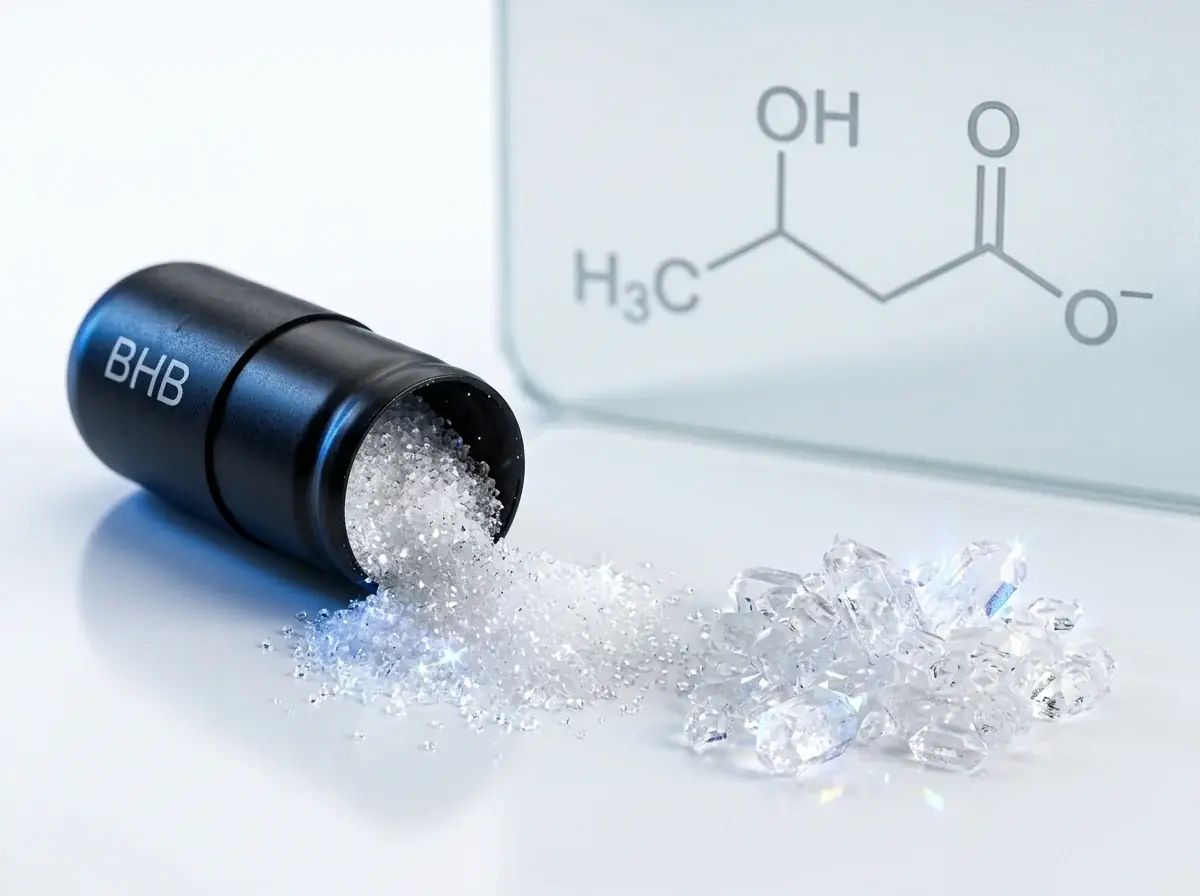
What "not FDA-approved as a drug" really means for you
Because over the counter weight loss pills are not approved drugs, three practical consequences follow, and they matter more than any single ingredient.
No one guaranteed it works. The absence of pre-market approval means efficacy is your problem to assess, not something a regulator has signed off. This is why the reference points that carry real weight are independent bodies summarising the trials — the NIH's supplement office, university nutrition departments, major clinics — rather than the brand's own studies.
No one guaranteed the dose. Testing has repeatedly found supplements that contain more, less or something other than the label states. Transparent brands counter this by publishing complete panels and third-party testing; opaque ones hide behind blends. The willingness to show you the full label is itself a safety signal.
You are the safety monitor. With no prescriber in the loop, checking for interactions falls to you and your pharmacist. Gel-forming fibers can slow the absorption of medication taken at the same time; stimulants can stack dangerously with other caffeine sources or blood-pressure medicines. This is not a reason to avoid the aisle — it is a reason to take one product deliberately rather than several casually.
The one rule that prevents most trouble: don't stack
If you take a single practical habit from this article, make it this one. The most common way people get hurt by over the counter weight loss pills is not any individual product — it is running three or four at once. A stimulant fat-burner in the morning, a carb blocker at lunch, a "night-time metabolism" formula before bed, and a fiber supplement somewhere in between. Each may be fine alone; together they become an untested combination with overlapping stimulants, unpredictable interactions and no way to tell which one is causing the racing heart or the stomach ache.
Pick one product, aligned to one mechanism you actually understand, and give it a fair trial with your diet and movement doing the heavy lifting. If it does nothing after a reasonable run, stop it — don't add a second on top. Simplicity is the most underrated safety feature in this entire category.

Where a stim-free fiber jelly fits for cautious buyers
If your priority is the fewest surprises rather than the biggest promise, the logic points toward the fiber end of the shelf. A soluble-fiber approach works on fullness through simple physical gelling, contains no stimulants to disrupt sleep or heart rate, and has the most forgiving side-effect profile in the aisle. For safety-minded shoppers, that combination is the sensible default before anything more aggressive is even considered. It is the same reasoning we apply when we compare the best appetite suppressant options for weight loss and repeatedly land on the gentlest mechanism that a person will actually keep using.
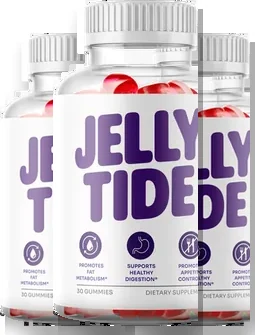
This is the corner JellyTide sits in, and it is worth being precise about what it is. JellyTide is a once-daily apple cider vinegar and BHB gummy, stimulant-free, whose jelly texture comes from apple pectin — itself a soluble fiber. It is not a high-dose fiber supplement dosed in grams, and we would never pretend otherwise; its declared 525 mg blend is apple cider vinegar with beta-hydroxybutyrate mineral salts. What it offers the cautious buyer is transparency and a benign profile: a full published panel, no caffeine, no proprietary-blend fog, and a gentle format you take once a day. For someone who wants an easy, honest first step rather than a stimulant jolt, that is a reasonable place to start — and if berberine is on your radar too, our note on berberine vs a fiber jelly for weight loss covers how the two compare.
Medical note: this article is general wellness information, not medical advice, and it summarises published evidence rather than making a product claim. JellyTide is a dietary supplement, not a drug, and is not intended to diagnose, treat, cure or prevent any disease. Speak to a healthcare professional before starting any supplement, especially if you are pregnant, nursing or taking medication.
Frequently asked questions
Do over-the-counter weight loss pills work?
Some help a little, most do very little, and none replace a calorie deficit. The honest average across the category is a small effect on top of diet and activity, not a stand-alone result. Fiber-based aids have the most plausible mechanism for appetite, while stimulant blends borrow their edge from caffeine.
Are OTC weight loss pills safe?
It depends entirely on the ingredient, not the shelf. Because these are sold as supplements rather than approved drugs, they are not pre-cleared for safety before sale, and stimulant blends carry the most reports of raised heart rate, jitters and sleep disruption. Fiber has the most benign profile when taken with enough water.
OTC vs prescription weight loss pills, what's the difference?
Prescription medicines are approved drugs with trial data, defined doses and a prescriber managing risks. Over-the-counter weight loss pills are dietary supplements, not FDA-approved as drugs, and cannot legally claim to treat obesity. The gap is oversight and evidence, not just where you buy them.
Is a fiber jelly an OTC weight loss aid?
A soluble-fiber jelly sits in the same supplement category and works on fullness rather than metabolism, which makes it one of the more benign options. JellyTide is a stim-free apple cider vinegar and BHB gummy that publishes its full panel, so you can see the 525 mg blend and the apple pectin gelling agent before you buy.
Sources
Start with transparency, not hype
If you want a stimulant-free option with a fully published label, see the current JellyTide offer. Read the Supplement Facts first, the sales copy second.
Check Availability