Protein Powder for Weight Loss vs Fiber Jelly for Fullness
Quick Answer: Protein or Fiber for Fullness?
Protein powder for weight loss and a soluble-fiber jelly suppress appetite through different routes: protein raises fullness hormones and defends muscle, while fiber gel adds physical volume and slows digestion. Neither wins outright. Combining a protein source with a fiber gel before meals stacks two mechanisms, and works better than either alone if you keep total calories in check.
- Protein: hormonal fullness plus muscle protection in a deficit.
- Fiber jelly: physical fullness and a gentler blood-sugar curve.
- Together: two separate appetite brakes that stack instead of overlapping.

If you have typed protein powder for weight loss into a search bar, you are in crowded company: the phrase draws close to forty-nine thousand searches a month, and most of the results treat protein as the only lever worth pulling. It is a powerful lever. But it is not the only one, and pairing it with the right partner turns a good appetite tool into a very good one. This article compares protein powder against a soluble-fiber jelly on the single job people actually hire them for, which is staying full, and then explains why the smartest move is usually to stop choosing between them.
We will keep this honest and mechanism-first, because the two work in genuinely different ways and the difference is the whole point. Understand what each one is doing inside you and the "which is better" argument mostly dissolves.
How protein powder for weight loss curbs appetite
Protein is the most satiating of the three macronutrients, gram for gram, and the reason is largely hormonal. When you eat protein, the gut increases the release of fullness signals such as GLP-1 and peptide YY while turning down ghrelin (Giezenaar et al., American Journal of Clinical Nutrition, 2017), the hormone that drives hunger. The net effect is that a protein-forward meal tends to keep you satisfied longer than the same calories from refined carbohydrate, and people eating more protein often eat fewer total calories across the day without consciously trying.
There is a second, quieter benefit that matters enormously in a diet. When you lose weight, some of what leaves is muscle unless you give the body a reason to keep it. Adequate protein, paired with any resistance activity, tilts that balance toward keeping muscle and losing fat, which protects your metabolic rate and the shape of the result. A powder is simply a convenient delivery system for reaching a daily protein target that is otherwise easy to miss, especially at breakfast.
The honest limits are worth stating. The appetite effect is real but modest, not an off-switch. It works best when protein replaces something else rather than piling on top of your existing intake, and it depends on your total for the day, not on one dramatic shake. A 40-gram shake on top of an already adequate diet is calories you did not need; the same shake standing in for a pastry is a genuine upgrade.
How a fiber jelly creates physical fullness
Soluble fiber works on a completely different principle, and that is exactly why it pairs so well with protein. When soluble fiber meets water in the stomach it forms a gel, physically taking up space and slowing the rate at which the stomach empties — though how much that changes appetite depends on the gel's physical properties rather than on the word “fiber” (Wanders et al., Physiology & Behavior, 2014) into the intestine. That slower emptying stretches the stomach wall for longer, and stretch is one of the oldest and bluntest fullness signals your body has. It also flattens the post-meal rise in blood sugar, which softens the crash-and-crave cycle that sends people back to the kitchen ninety minutes after eating.
Where protein negotiates with your hormones, fiber makes a more physical argument: there is literally more in your stomach, and it is leaving more slowly. Neither signal is dramatic on its own, but they are additive, because a full stomach and a favourable hormonal state are two different messages arriving on two different channels. If you want the deeper mechanics of how these gels behave, our comparison of psyllium versus glucomannan for fullness walks through the two most-studied gel-forming fibers.

Is protein or fiber better for weight loss?
This is the question everyone arrives with, and the honest answer is unsatisfying in the best way: it is the wrong question. Protein and fiber are not two brands of the same tool; they are two different tools. Asking which is better for fullness is like asking whether a seatbelt or an airbag is better for a crash. They protect you through separate mechanisms, and the reason cars have both is that the combination covers what either misses.
If forced to pick one for a person who will only adopt a single habit, protein usually edges it, because of the muscle-preservation bonus that fiber cannot offer. But that framing gives up most of the available benefit. The people who get the best appetite control are almost never the ones who agonised over protein versus fiber; they are the ones who quietly used both.
See where a low-calorie fiber jelly fits
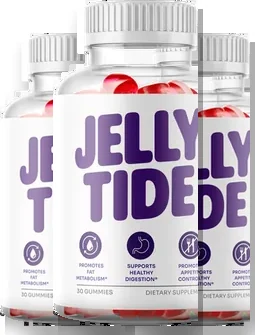
JellyTide is a low-calorie apple cider vinegar gummy that gels with apple pectin, a soluble fiber. The full Supplement Facts panel and suggested use are published on this site so you can slot it into a protein-first routine with your eyes open.
Check Today's OfferWhy combining protein and fiber works best
Stack the two mechanisms and you get an appetite brake with redundancy built in. Picture a meal that opens with a soluble-fiber gel and is built around a real protein source. The fiber is already thickening and slowing the exit from your stomach before the protein arrives; the protein then triggers the hormonal fullness cascade while the gel keeps the whole mixture in the stomach longer. Slower emptying, a gentler glucose curve, higher satiety hormones, lower ghrelin. Four levers, one meal.
The practical version is undramatic. Take a soluble-fiber gel or gummy a few minutes before eating, then make protein the anchor of the plate. You do not need heroic quantities of either. You need the two of them arriving close together, before the meal that usually goes off the rails, most days of the week. Consistency does more work here than any single perfect day.
Protein negotiates with your hormones. Fiber occupies your stomach. Do both and you have brought two arguments to a fight that most people show up to with one.
Head to head: protein powder vs fiber jelly
The table sets the two against each other on what actually decides fit, including an honest line on where each falls short.
| Factor | Protein powder | Fiber jelly |
|---|---|---|
| Main mechanism | Raises satiety hormones, lowers ghrelin | Physical fullness, slows stomach emptying |
| Protects muscle in a deficit | Yes, its biggest edge | No |
| Effect on blood-sugar curve | Modest, indirect | Flattens the post-meal rise |
| Calories per serving | Meaningful (100–150+) | Low, if it is a true low-calorie jelly |
| Best timing | Spread across the day to hit a total | Shortly before a meal |
| Main caution | Easy to add surplus calories | Bloating if increased too fast; needs water |
| Best role | Foundation of daily intake | A low-calorie pre-meal appetite nudge |
Where JellyTide fits, honestly
Since this site covers JellyTide, here is the straight version. JellyTide is not a protein product and it is not a gram-scale fiber supplement. It is an apple cider vinegar and BHB gummy built on a 525 mg blend, with apple pectin, a soluble fiber, as the gelling agent that makes the jelly. Read it as a low-calorie, pleasant pre-meal gummy rather than a fiber dose that matches the trials, and it makes sense; read it as a protein replacement or a therapeutic fiber and it does not.
In the protein-and-fiber framework, JellyTide plays the small role well: a low-calorie ritual before the meal you most want to keep in check, easy enough to take that you will actually keep doing it. It does not carry your protein target, and it does not deliver the multi-gram fiber doses studied for cholesterol or bowel health. If you want the label arithmetic behind that claim rather than our word for it, the label-first breakdown of JellyTide lays out exactly what the 525 mg blend contains. Use JellyTide for what it is, build the diet on protein and food-first fiber, and the pieces fit.

Two myths worth retiring
Before you build a routine, clear out two beliefs that quietly sabotage people.
Myth: more protein always means more fat loss. Protein helps until you hit an adequate total, and then extra grams are just extra calories. Past roughly the recommended range for a person in a deficit, the appetite and muscle benefits plateau while the calories keep counting. The goal is enough, spread out, not maximal.
Myth: a fiber gummy replaces vegetables. A gummy or a jelly supplies one isolated soluble fiber in a small amount, and usually some sugar with it. Whole foods deliver a mix of soluble and insoluble fiber alongside resistant starch, polyphenols and micronutrients, and the population evidence that ties fiber to better outcomes is built on diets, not gummies. A fiber jelly is a helper at the margin, never a stand-in for the plate. Our note on soluble versus insoluble fiber for digestion explains why the mix matters.
Medical note: this article is general wellness information, not medical advice, and it summarises published evidence rather than making a product claim. JellyTide is a dietary supplement, not a drug, and is not intended to diagnose, treat, cure or prevent any disease. Speak to a healthcare professional before starting any supplement, especially if you are pregnant, nursing, have kidney disease or are taking medication.
Related reading
Frequently asked questions
Is protein or fiber better for weight loss?
Neither wins outright because they work differently. Protein raises satiety hormones and protects muscle in a calorie deficit, while soluble fiber adds physical fullness and slows digestion. For most people the strongest results come from using both, since they suppress appetite through separate mechanisms that stack rather than compete.
Can I take protein and fiber together?
Yes, and it is often the most effective approach. A protein source with a soluble-fiber gel before or with a meal combines hormonal and physical fullness. Add fiber gradually and drink plenty of water to avoid bloating, and keep an eye on the total calories, since protein powders and fiber add-ons still count.
Does protein powder suppress appetite?
It can. Protein is the most satiating of the three macronutrients and increases fullness hormones like GLP-1 and peptide YY while lowering ghrelin. The effect is real but modest, works best when protein replaces refined carbohydrate rather than adding to it, and depends on hitting an adequate daily total rather than one large shake.
How much protein do I need for fat loss?
Common guidance for people in a deficit is roughly 1.2 to 1.6 grams of protein per kilogram of body weight per day, higher for very active or older adults, spread across meals. A powder is a convenient way to reach that total, but food-first protein is preferable where practical. Anyone with kidney disease should ask a clinician first.
Sources
- Giezenaar C, Trahair LG, Luscombe-Marsh ND, et al. Effects of randomized whey-protein loads on energy intake, appetite, gastric emptying, and plasma gut-hormone concentrations in older men and women. American Journal of Clinical Nutrition. 2017 Sep. PMID 28747330
- Wanders AJ, Jonathan MC, van den Borne JJGC, et al. Pectin is not pectin: a randomized trial on the effect of different physicochemical properties of dietary fiber on appetite and energy intake. Physiology & Behavior. 2014 Apr 10. PMID 24534170
- Harvard T.H. Chan School of Public Health — Protein
- Harvard T.H. Chan School of Public Health — Fiber
- NCCIH (NIH) — Dietary and Herbal Supplements
Build a protein-first plan with a fiber nudge
Anchor the diet on protein and food-first fiber, then decide whether a low-calorie pre-meal jelly earns a place. The JellyTide panel and suggested use are published on this site in full.
Check Availability