Natural Appetite Suppressant That Actually Works
Quick Answer: What Is a Natural Appetite Suppressant That Works?
A natural appetite suppressant that actually works relies on physical fullness rather than stimulants. The best-supported options are soluble fiber, protein and water, with saffron as a promising extra for snacking. Soluble fiber such as glucomannan swells in the stomach to curb hunger by volume, gradually, alongside a calorie deficit.
- Soluble fiber: absorbs water and expands, so a normal portion feels like enough.
- Protein and water: protein blunts hunger longer; a pre-meal glass of water trims intake.
- No stimulants needed: the fullness route means no jitters and no tolerance curve.
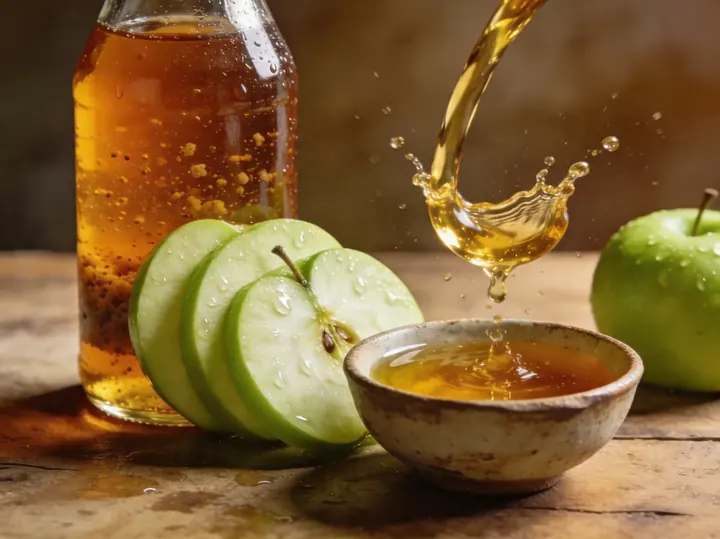
Search for a natural appetite suppressant and you will drown in stimulant pills dressed up as botanicals. That is a shame, because the genuinely natural route to eating less has nothing to do with revving your nervous system. A natural appetite suppressant that actually works does one simple thing: it helps a normal-sized meal feel like enough, so a calorie deficit stops feeling like a fight. This guide covers the options with real evidence behind them — soluble fiber, protein, water and saffron — and shows where a stim-free fiber jelly fits into the picture.
The appeal of the natural approach is not just gentleness. It is durability. Stimulant appetite suppressants tend to work hard for a fortnight and then fade as tolerance builds, leaving the side effects behind. The fullness-based, natural options do not run on that clock. They keep doing the same modest, useful job at every meal, month after month, which is exactly what a sustainable weight-management habit needs.
What suppresses appetite naturally — the four that earn their place
Soluble fiber is the headline act. Gel-forming fibers such as glucomannan, pectin and beta-glucan absorb water, swell and take up physical room in the stomach, slowing gastric emptying and raising the sense of fullness. Glucomannan is the most studied, though a well-conducted randomised trial in overweight adults found no weight advantage over placebo (Keithley et al., Journal of Obesity, 2013): it can absorb up to about fifty times its own weight in water, and controlled trials have reported roughly five pounds of additional loss over about eight weeks when paired with a reduced-calorie diet. That is not dramatic, but it is real, repeatable and free of stimulant side effects.
Protein is the most underrated natural suppressant of all. Gram for gram it blunts hunger hormones and sustains fullness longer than carbohydrate or fat (Kohanmoo et al., Physiology & Behavior, 2020), which is why a protein-forward breakfast so reliably kills mid-morning grazing. Simply front-loading protein across the day is one of the most evidence-backed appetite interventions available, and it costs nothing extra.
Water sounds too simple to count, yet a glass before meals consistently nudges people to eat a little less, partly through stomach distension and partly by correcting the thirst signals we routinely misread as hunger. It is also the non-negotiable partner to fiber, for reasons we will get to.
Saffron extract rounds out the list as the interesting outsider. Early, small trials suggest it may ease the urge to snack, possibly through effects on mood, making it a reasonable add-on for people whose real problem is emotional or between-meal eating rather than portion size at meals. The evidence is younger and thinner than fiber’s, so treat it as promising rather than proven.

Does fiber really reduce hunger?
Yes — modestly, and by a mechanism that is not in dispute. When a soluble, gel-forming fiber meets water in the stomach it forms a viscous gel that occupies space and slows the rate at which the stomach empties into the intestine. Both effects raise the fullness signal your brain receives per calorie eaten, and the slower emptying also flattens the post-meal blood-sugar rise that can otherwise trigger the next craving. That is the entire “physical fullness” story, and it is why fiber, not caffeine, sits at the top of a serious natural-suppressant list.
The honest boundary is size. Fiber nudges appetite; it does not abolish it. The glucomannan trials that show around five pounds over two months only work because the fiber made a calorie deficit easier to keep, not because the fiber itself burned anything. Remove the diet and the effect largely disappears. Anyone promising that fiber alone will reshape you is overselling a genuinely useful, genuinely modest tool. If you want the deeper mechanism and the dose arithmetic behind different fibers, our comparison of psyllium versus glucomannan for fullness lays it out.
Want the fullness route without the mixing?
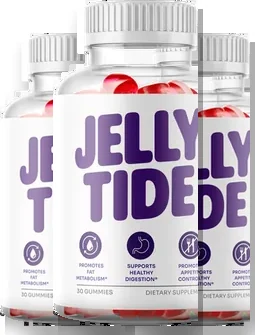
A stim-free jelly is the easy way to make the natural, fiber-and-fullness approach a daily habit. Check today’s JellyTide offer, bundles and money-back guarantee.
Check Today’s OfferWhere a stim-free fiber jelly fits
The trouble with the natural approach is rarely the science — it is the friction. Glucomannan powder must be mixed and drunk fast before it thickens, and it tastes of almost nothing in an unappealing way. A meaningful capsule dose means swallowing several large capsules several times a day. Both are effective, and both are quietly abandoned by most buyers within a month. Adherence, not potency, is where natural suppression usually dies.
A once-daily jelly is built to remove that friction. JellyTide is a jelly-format supplement whose gelling agent, apple pectin, is itself a soluble, gel-forming fiber, combined with a 525 mg blend of apple cider vinegar and BHB mineral salts, and it carries no stimulants at all. As a label-checked publisher we will not overstate it: a small jelly cannot hold a therapeutic gram-scale fiber load the way a powder can, so it is best seen as a pleasant, transparent, stim-free way to keep the fullness habit going — not as a mega-dose fiber product. If a concentrated fiber dose is your priority, powder is the more direct route, and we compare formats squarely in our look at protein powder versus a fiber jelly for fullness.
The other quiet advantage of the jelly is that it is stimulant-free by design, which matters more than it sounds. For readers arriving here specifically to escape harsh thermogenic pills, a format that delivers a gentle fullness cue with zero caffeine load is the whole point. If you are still weighing that decision, our overview of the best appetite suppressant for weight loss ranks the stim-free and stimulant routes side by side.

Is a natural appetite suppressant better than pills?
For most people, yes — not because “natural” is a magic word, but because of how the two categories behave over time. Stimulant diet pills blunt appetite chemically and feel powerful in week one, then tolerance erodes the benefit while the side effects — poorer sleep, a jittery baseline, a faster heart rate — hang around. A natural, fullness-based suppressant asks for a little patience and repays it with steadiness: the same modest help at every meal, no crash, no tolerance curve, nothing to keep you up at night.
“Natural” is not automatically safe, though, and that deserves saying plainly. Some botanical appetite products are simply stimulants with a leaf on the label. The meaningful distinction is not natural versus synthetic — it is fullness versus stimulation. A transparent, stim-free, fullness-based product is the sensible default; a proprietary botanical blend hiding an undisclosed stimulant is not, no matter how green the packaging looks.
How fast do natural suppressants work?
Two timelines run at once, and confusing them is where disappointment comes from. The fullness timeline is immediate: fiber and protein make a sensible portion feel like enough at the very next meal, so many people notice they are reaching for seconds less within the first week. The weight timeline is slower: the glucomannan trials that show around five pounds run over roughly eight weeks, because weight change only follows once a calorie deficit has accumulated day after day. Expect the appetite effect early and the scale effect late, and you will not quit prematurely.
Using natural suppressants without the classic mistakes
Hydrate as you add fiber. This is the single most important habit. Gel-forming fiber needs water to form its gel comfortably and safely; take every dose with a full glass, sitting upright, and never right before lying down. Most of the bloating people blame on fiber is really dehydration plus a too-fast increase.
Start low and build. Begin at roughly a third of your target amount for the first week and ramp up gradually. Gas and cramping are almost always the speed of the increase, not the ingredient.
Front-load protein. Put protein at breakfast and lunch rather than saving it for dinner, and you blunt the hunger that drives afternoon and evening grazing.
Time it before meals. The fullness effect of fiber and a pre-meal glass of water is strongest shortly before eating, when the gel has time to form — not sprinkled into the food itself.
Space out medication. Viscous fiber can slow the absorption of medicines taken at the same time. A two-hour gap is the standard, cost-free precaution; check with a pharmacist if you take anything with a narrow therapeutic window.
Medical note: this article is general wellness information, not medical advice, and it summarises published evidence rather than making a product claim. JellyTide is a dietary supplement, not a drug, and is not intended to diagnose, treat, cure or prevent any disease. Speak to a healthcare professional before starting any supplement, especially if you are pregnant, nursing or taking medication.

Related reading
Frequently asked questions
What suppresses appetite naturally?
The best-supported natural appetite suppressants are soluble fiber, dietary protein and water. Soluble fibers such as glucomannan swell in the stomach and increase fullness by volume; protein blunts hunger hormones for longer than carbs or fat; and a glass of water before meals nudges people to eat a little less. Saffron extract shows early promise for snacking urges. None is a stimulant.
Does fiber really reduce hunger?
Yes, modestly. Soluble, gel-forming fiber absorbs water and expands, taking up room in the stomach and slowing how fast it empties, which raises the sense of fullness on fewer calories. Glucomannan trials have reported roughly five pounds of extra loss over about eight weeks alongside a reduced-calorie diet. The effect is real but gradual, not an off-switch for appetite.
Is a natural appetite suppressant better than pills?
For most people, a natural, stim-free suppressant is the more sustainable choice because it works by physical fullness rather than by loading the body with stimulants, so there are no jitters and no tolerance curve. Stimulant pills can feel stronger at first but the effect fades. Whichever you choose, it only works alongside a genuine calorie deficit.
How fast do natural suppressants work?
You may notice smaller portions feeling like enough within the first week, because the fullness effect of fiber and protein is immediate at each meal. Measurable weight change, however, takes weeks: glucomannan studies run over roughly two months. Start at a low dose, increase your water as you increase fiber, and give it time rather than expecting an overnight result.
Sources
- Keithley JK, Swanson B, Mikolaitis SL, et al. Safety and efficacy of glucomannan for weight loss in overweight and moderately obese adults. Journal of Obesity. 2013. PMID 24490058
- Kohanmoo A, Faghih S, Akhlaghi M. Effect of short- and long-term protein consumption on appetite and appetite-regulating gastrointestinal hormones: a systematic review and meta-analysis of randomized controlled trials. Physiology & Behavior. 2020 Nov 1. PMID 32768415
- NCCIH (NIH) — Dietary and Herbal Supplements
- Harvard T.H. Chan School of Public Health — Fiber
- Mayo Clinic — Dietary fiber: essential for a healthy diet
Make the natural route a daily habit
A stim-free jelly turns the fullness approach into something you will actually keep doing. Check current JellyTide availability, bundles and the money-back guarantee.
Check Availability